• MSM Annual Conference

MSM Annual Conference January 9, 2027
Dean College, Franklin, MA

30 Years of Connecting Montessori Schools

For over three decades, MSM has been proud to deliver an exceptional conference experience for Massachusetts area schools. Get ready to mark your calendars because we're ecstatic to announce that the 2027 Annual Conference will be held at the conveniently located Dean College on January 9, 2027. Brace yourselves for an exciting lineup featuring a distinguished Montessorian as our keynote speaker, tailored workshops for all levels, engaging discussions on pertinent topics, a bustling vendor space, and so much more. But here's the real kicker: attending the MSM Annual Conference isn't just about the event itself; it's about the invaluable insights and strategies you'll bring back to your community. From groundbreaking workshops to enlightening discussions and networking opportunities, the knowledge gained here will empower you to make a lasting impact in your own school. Don't miss out on this incredible opportunity to ignite change and elevate Montessori education to new heights!


REGISTRATION

Member Schools

Please login using your schools login here to register for our Annual Conference.

Non-member Schools and Individuals

Please visit our non-member/individual page here to register for our Annual Conference.

PRICING

Early Bird Registration is back! You asked, and we listened! Based on feedback from last year’s conference evaluations, we are pleased to bring back Early Bird Registration for this year’s MSM Annual Conference.

Register by December 21, 2026 to take advantage of discounted conference pricing:
Early Bird Pricing — through December 21
- MSM Members: $140
- Nonmembers: $165

Regular Registration — beginning December 22
- MSM Members: $190
- Nonmembers: $215

Online registration will close on January 3, 2027

Register early to save your spot, and $50 on your conference registration!


VENDOR/EXHIBITOR AND SPONSOR OPPORTUNITIES

Thank you for your interest in joining us as a sponsor or vendor at the MSM Annual Conference! Our conference brings together Montessori educators, administrators, and community members for a day of learning, connection, and professional growth.

Sponsors and vendors are an important part of the conference experience, and we welcome organizations, businesses, and individuals whose products, services, and resources support and enrich the Montessori community. Please complete the form below to tell us a little about your organization and select your sponsorship or vendor opportunity. We look forward to partnering with you!

Questions? Please contact us at

To apply for any of these exhibiting or sponsorship opportunities, click here


MORNING KEYNOTE SPEAKER FOR 2027

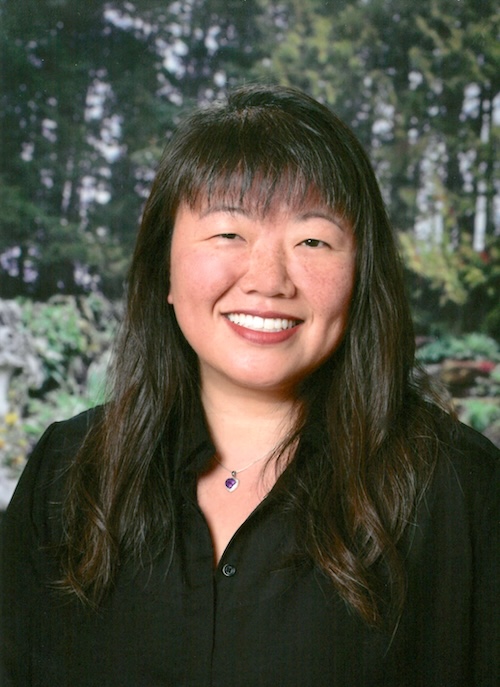
Lynn Lyons is a a psychotherapist, author and speaker in private practice for over 30 years, and specializes in the treatment of anxiety disorders in adults and children. Lynn travels globally as a speaker and trainer on the subject of anxiety, its role in families, and the need for a preventative approach at home and in schools. Her latest book, The Anxiety Audit, looks at the seven sneaky ways that anxiety and worry weave their way into our families, our friendships, and our jobs, and provides actionable steps to reverse the cycle and reclaim our emotional well-being.

With a special interest in breaking the generational cycle of worry in families, Lynn is the coauthor with Reid Wilson of two books on anxiety: Anxious Kids, Anxious Parents: 7 Ways to Stop the Worry Cycle and Raise Courageous & Independent Children, and the companion book for kids, Playing with Anxiety: Casey’s Guide for Teens and Kids. Her book Using Hypnosis with Children: Creating and Delivering Effective Interventions is a how-to guide for helping professionals looking to incorporate hypnotic strategies for the treatment of depression, anxiety, medical procedures, pain, and sleep.

To learn more about Lynn, visit her website or check out her podcast.
The Opposite of Overwhelmed; 4 Key Skills that Make a Difference

Helping our young people navigate the world can feel overwhelming. With the amount of information coming at us, the complexity of managing phones and screens, and the daily social pressures our kids face, it’s virtually impossible to manage. But what if we step out of the complexity and the noise, and focus on dependable strategies that help our families handle anxiety, moods, and relationships? What if we focused on simplifying rather than complicating? Based on current research and over 36 years of clinical experience, Lynn Lyons will talk about the common traps adults fall into and - more importantly - the key skills we all need, skills that foster connection and capacity... and are the opposite of what anxiety and depression demand.

AFTERNOON KEYNOTE SPEAKER FOR 2027

Rosetta Lee serves Seattle Girls’ School in dual roles. SGS is an innovative school for Junior High School girls and nonbinary youth, aiming to empower leaders and change agents and dedicating its energies to a diverse community of students and faculty, an anti-bias mission, and an integrated curriculum. As a faculty member, Rosetta teaches subjects such as science, math, technology, art, ethics, social justice, and more. As an outreach specialist, she designs and delivers trainings internally for the SGS community as well as externally for organizations throughout the US and abroad.

Since 2004, Rosetta has been a diversity speaker and trainer on a variety of topics, including cross cultural communication, identity development, implicit and unconscious bias, gender and sexuality diversity, facilitation skills, affinity groups, and bullying in schools. She has worked with over 400 K-12 schools throughout the country, along with nearly 200 colleges, nonprofits, businesses, and more.

Additional Experience and Awards
Former Faculty member, National Association of Independent Schools (NAIS) Diversity Leadership Institute
Former President on the Board of Directors of SMARTgirls
Former Director on the Board of the Northwest Association for Biomedical Research (NWABR)
Recipient of the 2007 Outstanding Partner in Education Award from the Northwest Association for Biomedical Research
Co-Chair of the 2006 NAIS People of Color Conference
Recipient of the 2005 Distinguished Teacher Award for the Washington Federation of Independent Schools

To learn more about Rosetta, visit her website.

Beyond the Why and Into the How: Practical Steps Toward Inclusive Classrooms

We know the startling opportunity gap in education and society. We've learned about identity, culture, communication, and power and how they privilege some and disenfranchise others. We are convinced as to why diversity and inclusion are important, but we are unsure or unclear as to how this intention becomes positive impact on student lives. How do we turn commitment into action, and what are some strategies and best practices to become the educator with whom all children thrive?


SCHEDULE FOR THE DAY

8:00, Registration opens. A continental breakfast, vendors, and our raffle table will be available
8:45-9:00, Opening remarks from MSM President
9:00-10:35, Morning keynote speaker
10:45-12:00, Morning workshops begin
12:00-1:15, Lunch
1:20-2:35, Afternoon keynote speaker
2:40-3:55, Afternoon workshops begin
3:45, Conference wraps up and raffle items are distributed


2027 WORKSHOP CHOICES

Please click on a session name to learn about that session.
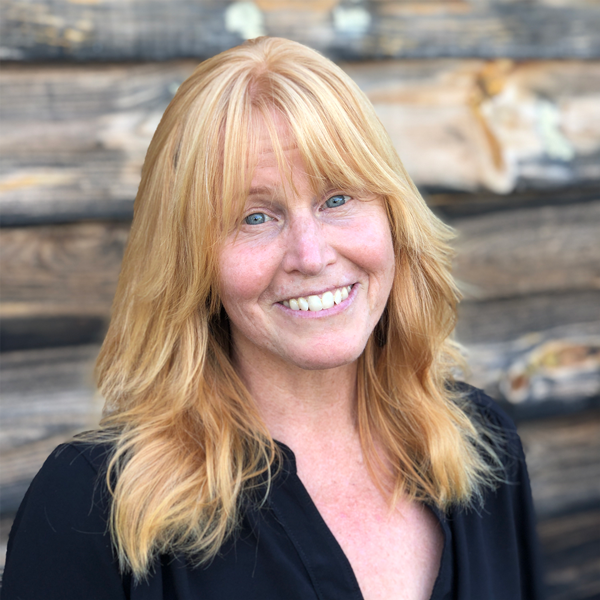
Morning Sessions

Target Level(s): General

Description: Dr. Montessori founded her method on the practice of scientific observation but how many of us observe regularly and put our observations into actionable steps? In this workshop we’ll walk through a workable approach to observation that translates into action. We’ll look at many observation tools, practice observation with video clips, and gain experience turning our observation notes into plans. We’ll also become more aware of how to maintain our attention so we can observe accurately. The workshop itself is highly interactive with participant discussions, mindfulness practice, audience polls, and more. Participants will leave:
  • Better able to quiet their mind and observe accurately
  • Feeling inspired about what a regular observation practice can do for them and their students
  • With SMART goals they can implement right away to help make observation a guiding force in their teaching/leading practice


Presenter Name: Julia Volkman

Presenter Bio: Julia Volkman has been teaching children and mentoring teachers in private and public schools since 1997. She is a founder and president of the educational project Maitri Learning, an educational researcher, and a teacher mentor. Among other things, she has worked as Faculty Member of the Brain Health Initiative, Teaching Fellow for Harvard University’s Neuroscience of Learning course, a primary consultant for the National Center for Montessori in the Public Sector (NCMPS), a columnist for the Public School Montessorian (now Montessori Public), and as the teacher’s representative on the Advisory Panel for the Annenberg Foundation's course Neuroscience & the Classroom (developed in conjunction with the Harvard-Smithsonian Center for Astrophysics). Ms. Volkman earned her AMI 3 to 6+ diploma from the Montreal Montessori Training Centre (a bilingual program) and her Master’s degree from Harvard University. Her graduate research on early literacy (the Montessori movable alphabet) won the Harvard Dean’s prize for outstanding research. Her work focuses on transforming education into a transdisciplinary, scientific pedagogy grounded in mind, brain, and education.
Target Level(s): General

Description: Inclusion begins long before we introduce accommodations or strategies. It begins with the prepared adult—our ability to observe without judgment, examine our expectations, regulate our responses, and understand behavior as communication. This interactive presentation connects Montessori principles with current knowledge about neurodiversity, sensory processing, executive functioning, and nervous-system regulation. Participants will explore how the physical, emotional, and social environment can either create barriers or open possibilities for children. Through reflection, real classroom examples, and practical Montessori-aligned strategies, educators will learn how to adapt the environment, collaborate with families, and support diverse learners without losing the heart of Montessori. True inclusion asks us not only to prepare the environment for the child, but also to prepare ourselves for the children who are already here.

Presenter Name: Maria Eva Chaffin

Presenter Bio: Maria Eva Chaffin is a Montessorian, educator, school leader, and parent with bachelor’s and master’s degrees in Special Needs. With more than 25 years of experience in education, she has dedicated her career to creating inclusive environments where every child feels seen, understood, and supported. She is currently completing her doctoral dissertation at Sarasota University, focusing on Montessori education and inclusion. As the founder of Seeds of Life Montessori Academy and Montessori Behavior, Maria has spent the past 15 years presenting at conferences, leading professional training, and consulting with educators and organizations across the United States and around the world. Her work combines research, Montessori principles, and practical experience to help adults understand behavior as communication.
Target Level(s): Elementary, Adolescent

Description: Every guide has watched a child pick up a work, fail at it, and come back to it anyway. Juggling makes that cycle visible in forty-five minutes, and it puts the adult back on the learner's side of the table.

In this hands-on workshop, participants learn the three-ball cascade from zero. No experience is assumed and no one performs alone. We isolate a single difficulty at a time. Each step has a built-in control of error, because a dropped ball tells you what went wrong without a word from the instructor.

The workshop pairs this practice with a short look at what the research says. Draganski and colleagues (Nature, 2004) found that adults who learned the three-ball cascade over three months showed measurable increases in gray matter in motion-processing regions of the brain, changes that receded when practice stopped. Structure follows use. We connect this to the spacing effect by building a deliberate rest interval into the session itself, so participants feel the difference between massed and distributed practice rather than just hearing about it.

We close by naming the transfer directly. Break the work into steps. Ask someone more experienced. Study the drops instead of hiding them. Take the break. The same principles guides already teach, felt from the inside.

Participants leave with a usable skill, a set of props, and a fresh embodied reference point for what their students experience every day.

Presenter Name: Peter Cannizzaro

Presenter Bio: Peter Cannizzaro is a variety artist and teaching artist with over 15 years of performing experience, and the founder of Clown Care LLC, which brings circus residency programs to schools throughout New England.

Peter has led residencies at Lexington Montessori School, The Phoenix School in Salem, and Tower School in Marblehead, where students build concentration, coordination, and self-confidence through juggling, balance, and physical comedy. His approach is hands-on and self-paced: students work with circus equipment, learn through repeated attempts, and discover that a dropped ball is simply information, not failure. He also serves as a Director at Beaver Country Day Camp for their Circus Program.

Outside the classroom, Peter is the resident medical clown at Dartmouth Children's Hospital, with training from Patch Adams, Aitor Basauri, and Avner the Eccentric. Education

Academic Background:
BA, Media, Society and the Arts, State University of New York at Purchase
Professional Affiliations:
Member, American Youth Circus Organization (AYCO)
Target Level(s): Elementary

Description: Building Strong Elementary Practice offers an overview of the components of a vibrant elementary classroom. It then delves into a few systems that support every child’s growth, so educators can focus on the big picture while providing the day‑to‑day structure learners need.

Whether you’re stepping into the classroom for the first time or have spent years in the field, this workshop offers a fresh invitation to recommit to honoring and supporting the whole child through shared accountability systems.

Join Elizabeth as she shares an overview of strategies, insights, and stories that will re‑energize your passion, strengthen your confidence, and help you cultivate environments where every learner can flourish. Because leading an elementary classroom is not just about being fully present, it’s about building the foundations that let both you and your learners thrive.

Presenter Name: Elizabeth G. Slade

Presenter Bio: ELIZABETH G. SLADE is an author and educator with forty years of experience working in Montessori education. She has worked as an elementary teacher, Montessori coach and administrator, and spent six years at the National Center for Montessori in the Public Sector working with public Montessori schools across the country. She now serves as the Executive Director of Public Montessori in Action International, an organization created to ensure fully implemented Montessori education for children, families, and educators of the global majority. Her book Montessori in Action: Building Resilient Montessori Schools was released in July 2021, and her historical fiction novel Momentum: Montessori, a Life in Motion was released in August 2023. Finding Ground: Building Strong Elementary Practice, co-written with Allison Jones was just released in fall of 2025. Elizabeth holds an AMI Elementary diploma, an AMS Montessori Administrators credential, and an MFA from Spalding University.
Target Level(s): General

Description: The human tendencies are not something Dr. Maria Montessori invented. They are what she discovered. And yet, in the busy pace of the school year, these universal biological drives — the forces that compel every human being to explore, order, communicate, work, create — can recede into the background of our daily practice.

This workshop brings them back to the foreground.

Designed for Montessori teachers, assistants, and administrators across all levels, Human Tendencies as an Observation Lens is a reflective and interactive session that does three things: it reconnects participants with the human tendencies as a living framework rather than a memorized list; it sharpens classroom observation skills by using the tendencies as a practical lens; and it helps staff develop confident, warm, developmentally grounded language for parent communication.

The session is built on a simple premise: the human tendencies are not new information for experienced Montessori educators. They are a language for what we already see. This workshop helps that language become more fluent and more useful in the moments that matter most.

Presenter Name: Meagan Ledendecker

Presenter Bio: Meagan grew up in a Montessori school with two Montessori teachers and administrators as parents. She has an M.S. in Environmental Education through Audubon Expedition Institute/Lesley University. Before co-founding The Montessori School of the Berkshires, she worked as an Education Coordinator for nonprofits, taught at the elementary level in public schools, and provided professional development for teachers. Meagan began her adult Montessori path after the birth of her first daughter. Meagan has Montessori training that spans from birth through adolescence: AMI Assistants to Infancy (0-3), AMI Primary (3-6), Montessori Educators International (MACTE accredited) Early Childhood (3-6), Montessori Educators International Elementary (6-12), AMI Elementary (6-12), and the inaugural AMI Adolescent course (12-18). She has three children: a college graduate who went through MSB, another who graduated from MSB and is starting her first year of college, and the third who just graduated MSB and is a freshman in high school. Meagan spends her spare time cycling, running, and swimming to prepare for triathlons.
Target Level(s): Children's House, Elementary

Description: This session explores the transformative impact of integrating the natural world with everyday learning experiences for children at all ages. Rooted in the understanding that children are intrinsically connected to the natural world, the presentation centers on the reason behind making outdoor experiences an essential, daily component of learning. Attendees will examine how regular access to nature supports concentration, independence, physical health, and emotional well-being, while also nurturing a deep sense of wonder and environmental stewardship. These outcomes will be thoughtfully connected to core Montessori principles, including movement, autonomy, and experiential learning, offering a philosophical lens through which to reconsider the role of the outdoor environment.

This session will also introduce key considerations for translating this vision into practice. Attendees will gain insight into the foundational shifts in mindset, structure, and school culture that make daily outdoor learning possible, along with a few entry points for implementation. This session equips Montessori teachers and administrators with the understanding and inspiration needed to begin reimagining their own settings. Participants will leave with a clearer sense of both why this work matters and how it can begin to take shape in ways that align with their unique school communities.

Presenter 1 Name: Katelyn Shore

Presenter 1 Bio: Katelyn is a long time Montessorian, having grown up with Montessori and then returned to the classroom as a primary lead guide knowing her heart and deepest passion was working with children and providing a Montessori environment and experience to children in early childhood. Prior to returning to the classroom, Katelyn received her B.A from Wellesley College with a degree in Neuroscience and Psychology. With her background in brain development, as well as Montessori experience, she was excited to return to Montessori as the educational philosophy aligns education with scientific observation and study. Katelyn received her Early Childhood credential in 2028 from Northeast Montessori Institute and is currently program director for Northeast Montessori Institute. With experience in both the classroom and administration, Katelyn joined the Wildflower Schools network in 2013 to help open the doors for the first Wildflower School and is also currently Head of School at Wild Rose Montessori School in Cambridge, Massachusetts. Wildflower Schools network is a network of decentralized Montessori micro-schools that support children, teachers, and parents. Wildflower aspires to give all children and families the opportunity to choose high quality, beautiful learning environments as they follow life’s unfolding journey.

Presenter 2 Name: Florentien de Ruiter
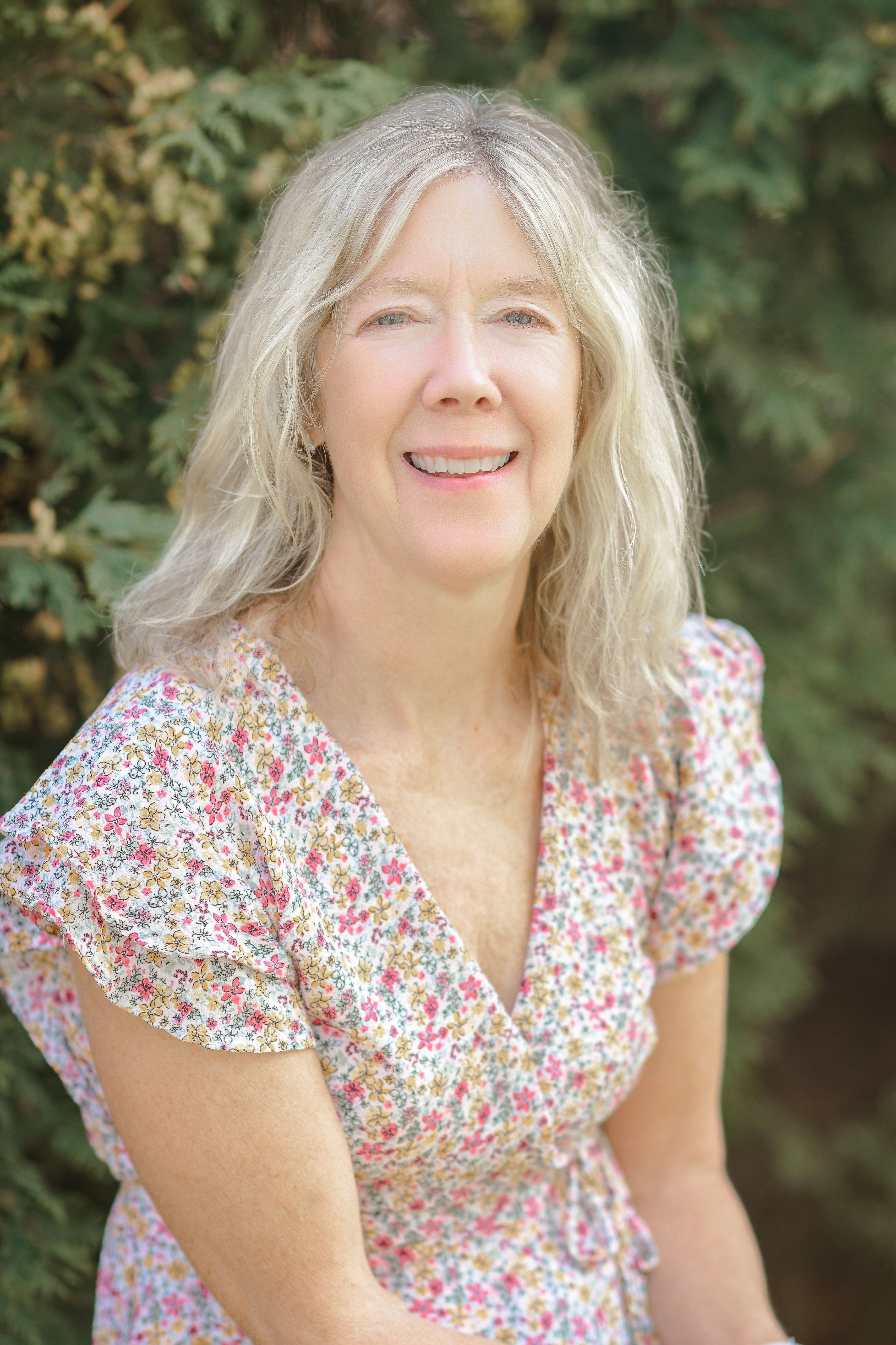
Presenter 2 Bio: Florentien loves teaching the younger students at Birches! She received both her B.A.and M.A.T. from Tufts University and has been working with young kids ever since. She began her teaching career in the Acton Public Schools, teaching kindergarten for 9 years. There she learned how to deeply incorporate art into the classroom curriculum. More recently, she has led workshops for other educators on how to teach math outdoors. During her free time, Florentien loves reading, hiking and running.
Target Level(s): Infant/Toddler, Children's House

Description: How can we turn children's natural fascination with animals into meaningful, hands-on learning experiences? This workshop explores an eight-week animal-centered curriculum designed for Toddler and Primary classrooms, taking children from familiar backyard animals to wildlife around the world. It also includes an Animals Book week.

Through themes of nocturnal animals, freshwater habitats, deserts, jungles, rainforests, woodlands and African savannahs, we will share engaging activities that invite children to discover where animals live, what they eat, how they adapt to their environments and how their young grow and survive. Participants will explore practical ideas spanning Practical Life, Language, Math, Science, Geography, Sensorial exploration and Art, with opportunities to incorporate sign language to support vocabulary and communication.

The workshop will include a visual presentation, examples of classroom materials and completed activities, and opportunities for discussion and collaborative brainstorming. Participants will leave with a curriculum outline and adaptable ideas for both Toddler and Primary classrooms. The themes can be introduced as a consecutive program or incorporated individually throughout the school year.

Three learner outcomes- Participants will:
1. Identify developmentally appropriate animal and habitat activities:
Identify at least three hands-on activities that help Toddlers and Primary children explore animal characteristics, habitats, diets, adaptations or lifecycles.
2. Adapt activities across developmental levels and curriculum areas:
Explore how to adapt animals themed activities for children ages. 18 months – 5 years, integrating Language, Math, Science, Geography, Sensorial Exploration and art.
3. Develop an animal-themes learning activity:
Participants will collaborate in small groups to brainstorm and share at least one activity based on a favorite animal, considering how it could be incorporated into their own classroom and potentially enhanced through sign language.

We welcome you to join us on this journey that develops curiosity in the child and helps them make connections to animals in their environment and to the wider world.

This workshop is designed for educators of all experience levels, including those new to Montessori and experienced Montessori teachers seeking fresh, interdisciplinary ways to engage young children.

Presenter 1 Name: Lynne Way

Presenter 1 Bio: Lynne has been working with young children for over 30 years, first in her nationally accredited home day care and for the past 22 years as a Montessori educator. She has a BS from Ithaca College and a Master’s degree in Early Childhood Education/ Montessori focus from Endicott College.

Lynne holds a RI Teaching Certificate for Pre-K - 3rd grade and is a Certified Montessori teacher for both Toddler and Primary through the North East Montessori Institute. She successfully completed Goldman Sachs' 10kSB program in 2024.

Lynne stepped away from teaching two years ago when she expanded her school, Montessori of Greenwich Bay, East Greenwich, RI. She is still the Owner/Head of School for theToddler House and Children's House, both with two classrooms each.

Presenter 2 Name: Liz Rubenstein

Presenter 2 Bio: Liz earned her Bachelor's degree in Early Childhood with a concentration in Community Programs Birth - 5 years from Rhode Island College. She also holds a Montessori Infant/Toddler Teaching Certification through the North American Montessori Center. Liz is in her third year as a Lead Toddler teacher at Montessori of Greenwich Bay, East Greenwich RI. She has been instrumental in developing our Toddler curriculum and also teaches sign language to the Toddler House children.
Target Level(s): General

Description: Observation in the Montessori classroom is of paramount importance for meeting students’ needs, and we use a variety of tools towards this end: anecdotal notes, running records, checklists, etc. This interactive workshop will explore how we can use three additional tools from the field of “Systems Thinking” to enhance our observation practice.

Presenter Name: Seth Johnson

Presenter Bio: Seth Johnson MS, is an Upper Elementary teacher at Lexington Montessori School in Lexington, MA. He is on the faculty of the Montessori Elementary Teacher Training Collaborative, an AMS Emerging Leaders Fellow (2020), and received the AMS Impact Medal (2025). Seth is also a certified Advanced Facilitator through the Waters Center for Systems Thinking. AMS-credentialed (Elementary I-II).
Target Level(s): General

Description: Montessori classrooms are strongest when lead guides and assistants work in purposeful partnership. This playful workshop celebrates the essential role of the assistant as observer, protector of concentration, caretaker of the prepared environment, relationship-builder, and partner in supporting children’s independence. Designed for new and experienced assistants, lead guides, administrators, and aspiring Montessori educators, the session is especially valuable for classroom teams who attend together.

Participants will engage in a brief presentation, small-group activities, a gallery walk, paired reflection, and whole-group discussion. Using realistic “everything is happening at once” classroom scenarios, participants will decide what requires immediate attention, what can wait, when to invite a child’s independence, and how adults can communicate without disrupting the work cycle. The workshop creates opportunities to share experiences, learn from colleagues, and strengthen adult collaboration in service of children.

Learner Outcomes:
By the end of the workshop, participants will be able to:
  • 1. Identify the essential ways Montessori assistants support independence, concentration, the prepared environment, and classroom community.
  • 2. Prioritize responses to common, competing classroom needs using Montessori principles of safety, dignity, observation, and least-intervention.
  • 3. Develop one or more practical communication and collaboration strategies to strengthen lead guide–assistant partnership.

Presenter 1 Name: Jamie Oakley

Presenter 1 Bio: Jamie Oakley is a returning presenter at the Montessori Schools of Massachusetts (MSM) Conference. She joined Harborlight Montessori in 2002 as a Children’s House Teacher and has more than 20 years of classroom experience. In Adam’s first classroom experience working with children, Jamie served as a the lead guide and mentor, helping to shape his early understanding of the prepared environment, child development, and the adult’s role in a Montessori community.

Jamie holds a B.A. in Psychology from Endicott College, an AMS Early Childhood Credential from the National Center for Montessori Education, a Master of Education with a Montessori Concentration from Gordon College, and an Education Specialist Degree in Reading from Gordon College. She is fully trained in Orton-Gillingham, Lively Letters, and the Wilson Reading System.

Since joining Montessori Institute–New England in 2013, Jamie has served as an instructor and field supervisor, guiding adult learners in their Montessori preparation and practicum experiences. She continues to present workshops for Montessori schools and is pleased to return to MSM.

Presenter 2 Name: Adam Gallant

Presenter 2 Bio: Adam Gallant joined Harborlight Montessori in 2022 as a Children’s House (ages 3–6) Assistant Teacher. In his first year, he worked in the classroom with lead guide, Jamie Oakley, and has since been coached and mentored by Harborlight’s lead guides as well as mentors at Montessori Institute–New England.

He completed Montessori Assistant’s Training in both 2024 and 2025 and is currently enrolled in Montessori Teacher Education at MI-NE, working toward his AMS Early Childhood Credential, anticipated in June 2027. His experience supporting a range of lead guides has deepened his understanding of Montessori pedagogy, the prepared environment, and the essential partnership between assistants and lead teachers. Adam holds a high school diploma and has completed undergraduate coursework.
Target Level(s): Administration

Description: Strong governance begins with strong leadership. Just as Montessori educators prepare an environment where children can thrive independently, Heads of School can intentionally prepare the conditions in which Boards govern effectively. Drawing upon familiar Montessori principles—including the prepared environment, freedom within limits, purposeful work, observation and reflection, work plan and grace and courtesy—this interactive session explores how Montessori leadership principles can extend beyond the classroom and into the boardroom.

Participants will examine how Heads of School can guide (rather than defer) to their Boards by creating clarity around agenda setting, governance and operational roles, strengthening the essential Head–Board Chair partnership, and keeping trustees focused on mission, strategy, financial stewardship, and long-term sustainability. Particular attention will be given to using the strategic plan as the Board’s work plan, aligning committees and Board agendas with strategic priorities, and creating structures that encourage purposeful rather than operational involvement.

Great governance does not happen by chance. It is intentionally cultivated through prepared leadership, clear expectations, respectful partnership, and a steadfast commitment to the school's mission. When Heads of School confidently lead the governance process, Boards are empowered to focus on what matters most: ensuring the long-term health and success of the school.

Through practical examples, reflection, and case discussions, participants will leave with strategies and tools for creating a more focused, accountable, and collaborative governance culture. When Heads prepare the environment, lead through partnership, and keep the mission at the center, Boards are empowered to govern with greater clarity, purpose, and confidence.

By the end of this session, participants will be able to:

Apply Montessori principles to school governance by using the prepared environment, freedom within limits, purposeful work, observation and reflection, and grace and courtesy as a framework for effective Board leadership.

Clarify and strengthen the Head–Board governance partnership by distinguishing governance from operations, defining shared strategic responsibilities, and using intentional practices to build a trusted and effective Head–Board Chair relationship.

Implement practical structures that support purposeful governance by using the strategic plan to guide Board agendas, committee work, financial and strategic oversight, Head reporting, annual governance calendars, and Board self-assessment.

Presenter Name: Renee DuChainey-Farkes, M.Ed.
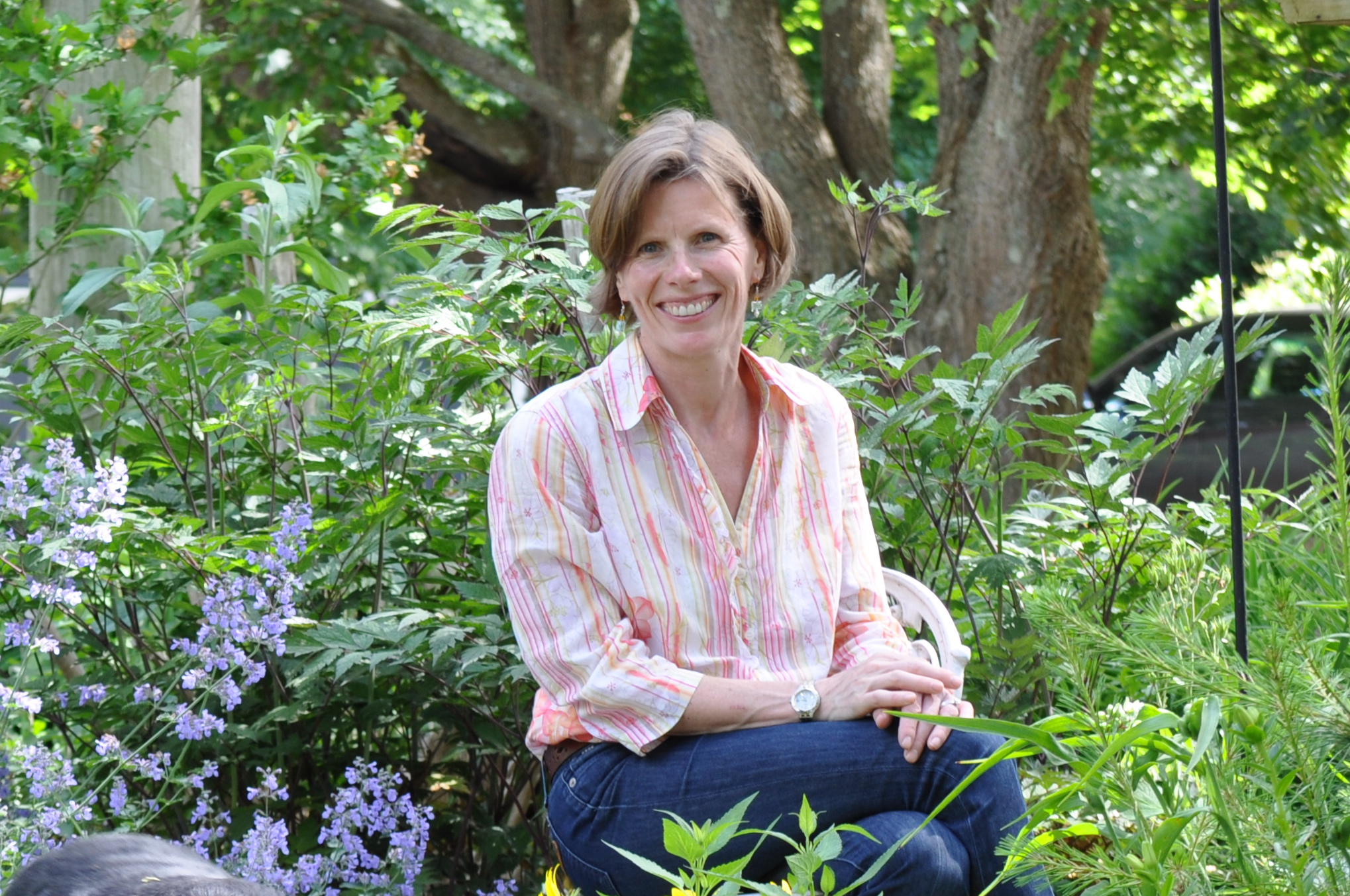
Presenter Bio: Renee DuChainey-Farkes, M.Ed. is a dedicated advocate for, and driver of excellence in the Montessori educational experience of students, faculty and parents. With 30+ years of Montessori school leadership, she was founder Head of the Kingsley Montessori School in Boston serving students from Toddler through Grade 6.

Renee has served two terms on the Board of American Montessori School as Chair of the Heads Section, and has developed a reputation as a presenter, instructor, coach and writer on Montessori leadership topics. She has gained amazing and valuable insights having completed the Montessori-In-Action coaching program along with Certificate for School Management and Leadership through Harvard University.

Renee says: "Both Harvard and the Montessori Coaching Training have provided me with new insights and learning beyond my own personal experience which is proving to be of great added value as I work with faculty and Heads of School."

She participated in a year-long sabbatical by taking "Montessori on the road" visiting 65+ Montessori schools in Dubai, Beijing, Shanghai, Hong Kong, London, Amsterdam, and throughout the US. Her research is comprehensive on many issues, and very specific to the parent experience in Montessori schools.

She also serves on the Montessori Schools of Massachusetts Board of Directors in New England for the past 20+ years.
Target Level(s): General

Description: What becomes possible when we begin to see the natural world not simply as a place to visit, but as a powerful resource for teaching, learning, and well-being?

Outdoor learning naturally invites many of the experiences Montessori educators value—independence, observation, exploration, purposeful work, choice, and connection. Yet taking learning outdoors can also feel overwhelming. Where do you begin? What do you teach? How do you use the outdoor space you already have? And how do you make outdoor learning sustainable rather than one more thing to manage?

In this interactive workshop, Victoria Hackett, M.Ed., will explore the restorative power of the natural world and introduce her Five Phases of Teaching Outdoors framework. Participants will discover practical ways to extend learning beyond classroom walls and consider how outdoor spaces—from a small patch of ground to an established garden—can become meaningful environments for observation, inquiry, curriculum connections, and child-led discovery.

Educators will leave inspired to see nature with a new lens, recognize the possibilities within the spaces they already have, and identify their own next step toward making the natural world a meaningful resource for teaching and learning.

Presenter Name: Victoria Hackett, M.Ed.
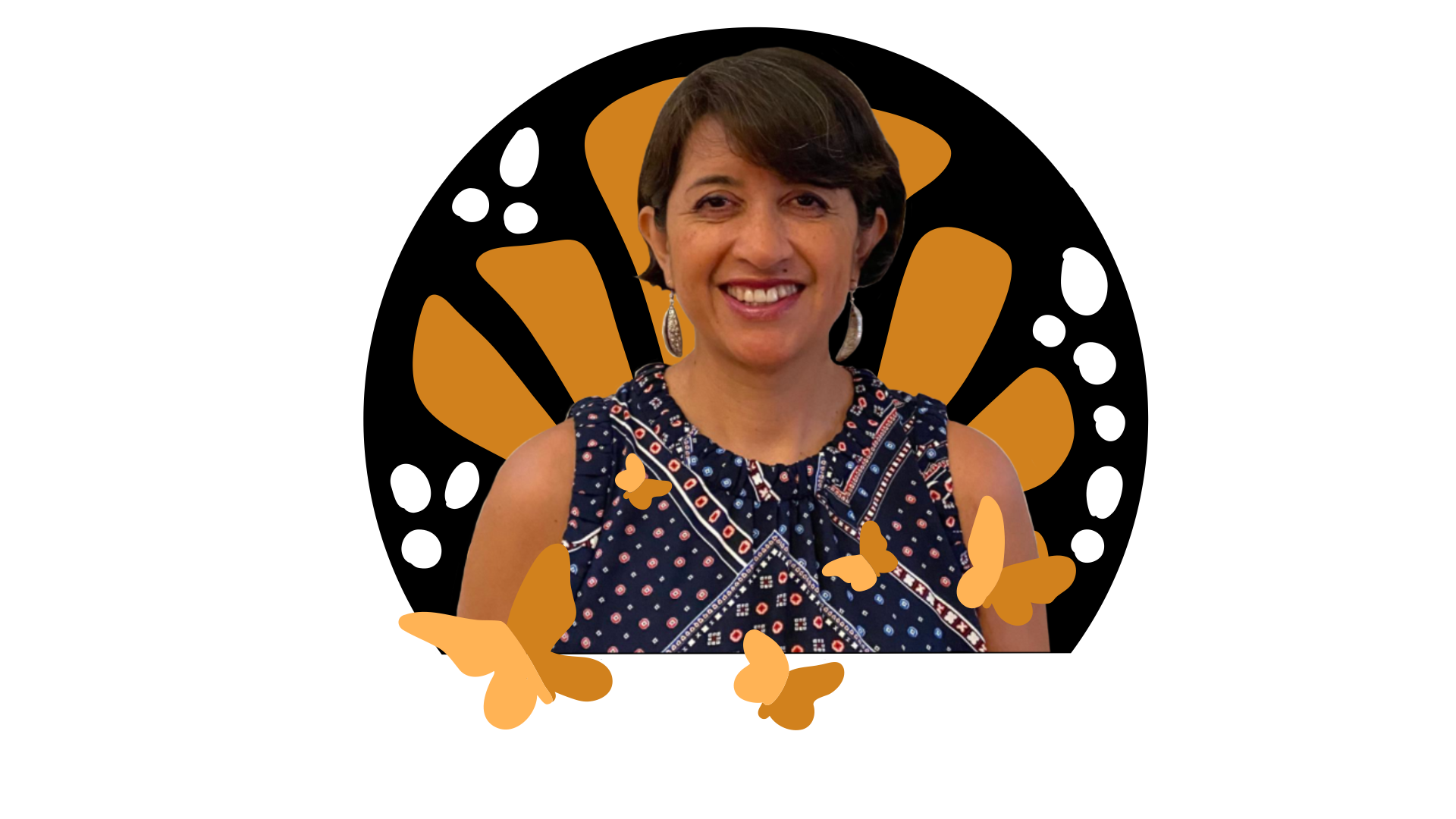
Presenter Bio: Victoria Hackett, M.Ed., is the founder of Outdoor-Classrooms.com and host of The Outdoor Classrooms Podcast. With decades of experience in education and nature-based learning, she helps educators discover the power of the natural world as a resource for teaching and learning.

Victoria is the creator of the Outdoor Classrooms Teacher Certification program and author of the forthcoming book, Outdoor Classrooms Unlocked: The Five Phases of Confident Outdoor Teaching Across Four Garden Types. Through speaking, professional development, and her own Secret Gardens Outdoor Classroom in Beverly, Massachusetts, she gives educators practical tools and inspiration to dream big, start small, and cultivate meaningful change—a little bit each day.

Victoria believes that when educators reconnect teaching with the natural world, we can transform the face of education—one outdoor classroom at a time.

Afternoon Sessions

Target Level(s): Children's House, Elementary

Description: Every Montessori guide has watched a child build a triangle and, without quite knowing why, feel that something important just happened. Dr. Montessori called the triangle the "Mother of all forms," the shape from which all others are born. In this session, we will use that simple material as a doorway into three big ideas that shape who we become: how we understand ourselves, how we connect across cultures, and how the wider Montessori curriculum ties it all together. No geometry background is required, just curiosity about why the Constructive Triangles and the concept of Sacred Geometry can still change how we see the world.

Participants will leave with a clear understanding that Constructive Triangles and Sacred geometry are the framework for using the Montessori curriculum as a bridge to inspire conversations about identity, culture, and belonging to children and adults. This session promises to inspire all communities and embrace their culture and heritage in a transformative way.

Presenter 1 Name: Margarita Diaz

Presenter 1 Bio: Margarita Diaz is an experienced, certified bilingual Montessori educator with a demonstrated history of working in Montessori education for more than 20 years. Margarita's passion is to motivate educators and parents about the importance of bilingual education and the Montessori philosophy. She is a teacher trainer at the Institute for Advanced Montessori Studies (IAMS), a regular speaker at American Montessori Society (AMS) conferences, founder of AMS en Espanol Affinity Group, she serves as an AMS Board Member, and is a Montessori consultant and coach.

Her work in Cosmic Education and in bilingual classrooms has increasingly led her to explore how materials like the Constructive Triangles, sacred geometry, storytelling, and the arts serve as universal entry points for children across languages and cultures, and this year's proposal reflects that expanding focus.

She is a Montessori certified Elementary I, II and Montessori coach certified from the National Center Montessori in the Public Sector (NCMPS). She is certified AMS Director Academy.

Margarita was the first Spanish elementary teacher at a bilingual Montessori public charter school in Washington, DC, where she developed the entire 1st-5th grade dual language curriculum. Later, she assumed the role of Montessori Coach, Assistant Principal, and Director of the Elementary program. As a bilingual Montessori educator and coach, she believes that, with passion and leadership, Montessori students are able to succeed not only academically but also to become peace ambassadors and citizens of the world. As a Montessori educator and speaker, she is able to inspire and motivate Montessori educators to continue their love for learning and their love for guiding our students through independence and self-discovery.

Margarita speaks, reads, and writes with fluency in Spanish, French, and English, and also speaks basic Portuguese.

Presenter 2 Name: Gisela Clausen-Diaz
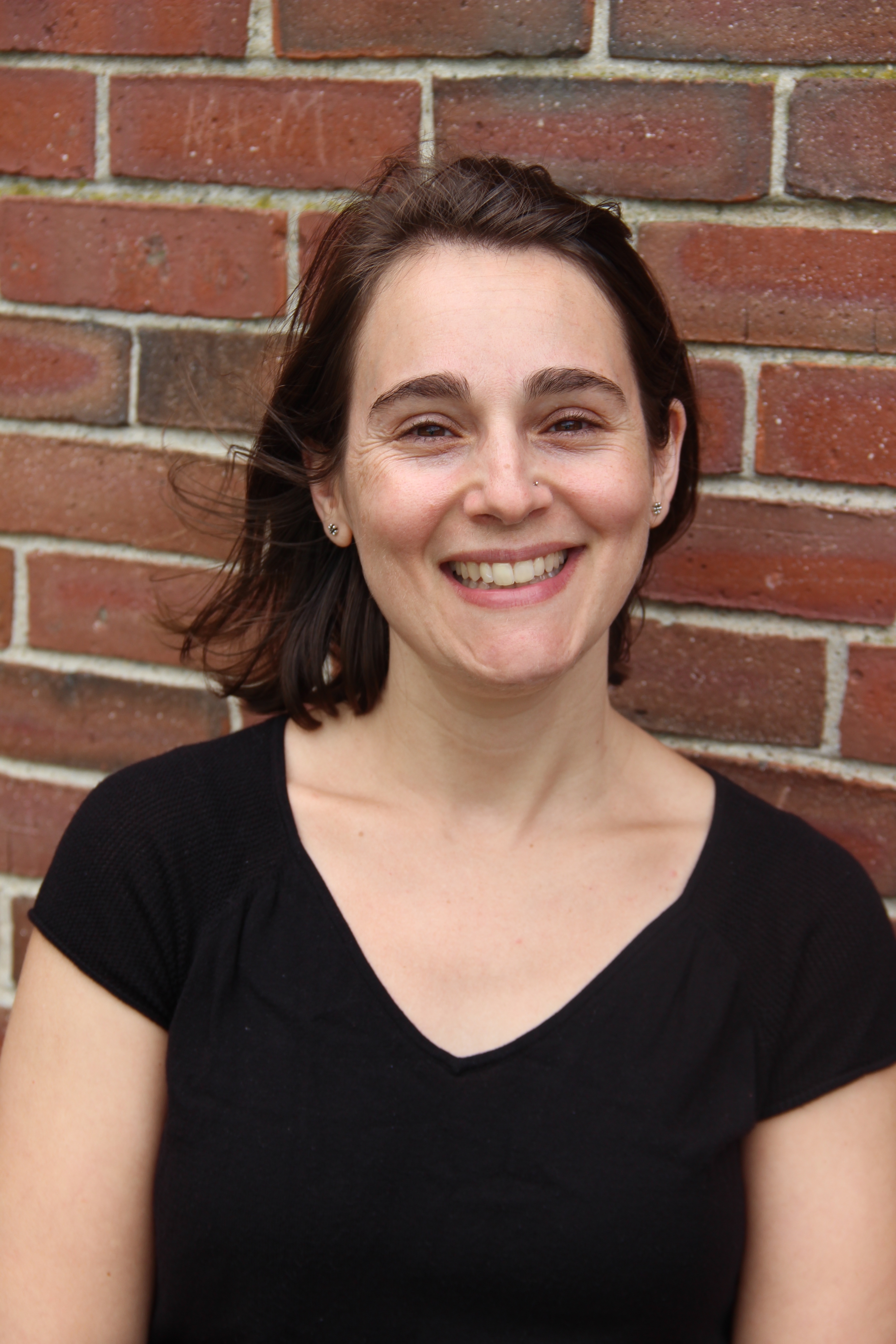
Presenter 2 Bio: Gisela Clausen-Diaz is a primary lead teacher, artist, and author whose path in education began at age three as a student at LAMB-PCS (Latin American Montessori Bilingual Public Charter School) in Washington, D.C. Having experienced the transformative power of a bilingual, prepared environment firsthand, her core values of independence, empathy, and respect were shaped early on, inspiring a lifelong dedication to the Montessori philosophy.

Before stepping into lead teaching, Gisela built a versatile classroom foundation as an after-school program aide at Breakthrough Montessori and as an English and Spanish reading tutor across primary and elementary levels. Her passion for fostering supportive, loving learning spaces eventually led her to earn her Children’s House certification through the Prepared Montessorian Institute and join the faculty at Vineyard Montessori School, where she now serves as a primary guide.

Gisela’s educational practice and creative vision are profoundly informed by her multicultural background. Raised in a bilingual Spanish and English household—and now trilingual in Portuguese—she views language acquisition and cultural exchange as vital pathways to empathy, active listening, and global awareness. This lens directly shapes both her teaching style and her artistic endeavors, including authoring and illustrating an English-Portuguese bilingual children’s book dedicated to her students on Martha’s Vineyard.

By blending child-centered independence, vibrant artistic expression, and authentic language learning, Gisela works to cultivate Dr. Montessori’s vision of fostering freedom of expression, self-discovery, and a natural desire to learn—guiding the next generation of global citizens.
Target Level(s): General

Description: In 2024, the CDC reported that over 1 in 10 children and teens have a diagnosed anxiety condition, and many more struggle without a label. This suggests that many children with anxiety are in our classrooms, and while that may feel overwhelming, it is within our power to support them. Based on the innovative treatment for childhood anxiety developed by Dr. Eli Lebowitz, Supportive Parenting for Anxious Childhood Experiences (SPACE), this workshop will use a mix of lecture, real-life example sharing, brainstorming exercises, and dramatic play to guide participants toward a better understanding of childhood anxiety and how it appears in the classroom. Participants will leave with concrete tools and tips for creating a more anxiety-supportive classroom environment, as well as strategies for responding to anxious children.

LEARNER OUTCOMES
1. Participants will understand how childhood anxiety is different from adult anxiety and why helping kids accept and tolerate anxiety is more effective than doing away with anxiety altogether.
2. Participants will grow their confidence to identify anxiety in the classroom and respond effectively.
3. Participants will leave the workshop with at least 3 concrete tools or strategies to implement in their classroom to support children experiencing anxiety.

Presenter Name: Elizabeth McNamee

Presenter Bio: Elizabeth McNamee is a Licensed Certified Social Worker (LCSW) trained in Supportive Parenting for Anxious Childhood Experiences (SPACE), an innovative treatment for childhood anxiety that teaches the adults in an anxious child's life how to support them day to day. She is a licensed school adjustment counselor in Massachusetts who has worked with children with autism ADHD, and anxiety in a school setting. She is also trained in and currently runs a children's program based on Godly Play, an inclusive approach to children's religious education rooted in the work of Maria Montessori and Sofia Cavaletti.

Elizabeth holds master's degrees in social service administration and public policy from the University of Chicago. She is the parent of two children, ages 8 and 12, who attend Woodside Montessori Academy in Millis. She is deeply grateful for the way Montessori allows her children to grow into their authentic selves.
Target Level(s): Elementary, Adolescent

Description: At a time when we are awash in misinformation and disinformation, when marketers and politicians manipulate our opinions through social media, we must help children develop the skills to think for themselves. In this workshop, I offer an overview of good thinking as well as practical applications in six academic subject areas. This workshop is useful to teachers who want to design lessons and follow-up work that stimulates deep thinking, and it is also of interest to anyone who wants to learn the science of thinking and how it varies in different contexts. Participants will practice designing learning tasks that build critical thinking skills.

Part 1: Lecture & slides to explore the science and literature of critical thinking Part 2: Hands-on, guided practice in designing follow-up work that builds thinking skills.

Outcomes
1) Understanding critical thinking skills and habits
2) Explore how thinking varies according to the context
3) Learn by doing: practice designing tasks that build deep thinking skills

Presenter Name: Biff Maier

Presenter Bio: William (Biff) Maier is an administrator at Lexington Montessori School in Massachusetts. He co-directs the Montessori Elementary Teacher Training Collaborative (METTC). Involved with Montessori since 1974, Biff is a seminar and workshop presenter, a school consultant, an AMS Instructor Academy coordinator, an AMS Emerging Leaders mentor, and a co-host of the AMS podcast, "Educating the Human Potential." Biff received AMS' Living Legacy Award in 2021. He served on the AMS Board of Directors as chair of the teachers' section.
Target Level(s): Infant/Toddler, Children's House

Description: We will reflect on how to build a rhythm of the day that supports the nervous system and the natural energies of the children. We will talk about schedules and routines, transitions and seasonal adaptations. We will delve into Montessori Philosophy and share experiences with different communities of children from 0-6. We will put particular emphasis in tthe human tendencies and he constitutional types, and how the science of ayurveda, and yoga, supports the prepared adult in serving the children better.

Presenter Name: Verónica Toro-Ruiz

Presenter Bio: Verónica holds AMI diplomas for 0-3 and 3-6 from the Montessori Institute of San Diego under the tutelage of Dr. Silvia Dubovoy; she is a Full Spectrum Doula, translator and storyteller who recently moved to the Berkshires from her hometown in Puerto Rico. After working in Montessori schools for 15 years in Massachusetts and Argentina, Verónica returned to her hometown in 2017 to support community transformations through art, ecology and stories using Montessori principles as a compass. For 8 years she lead the creation of self-learning prepared environments in rural settings that served families with children, and older women in her community. She also worked as a Montessori philosophy and methodology course facilitator and teacher mentor for the Montessori Public Schools initiative in the island. Verónica has an MA in Humanities, and currently she is writing her Thesis on Mythology and Children towards a PhD in Caribbean Literature. During the Pandemic years, Verónica visited MSB as a consultant for the Toddler level. In March 2025 she joined the school community as a Lead Teacher and First Plane liaison.
Target Level(s): General

Description: How Did THAT Become My Job? When Pitching In Becomes the Operating System
Montessori schools are full of people who pitch in. A Head of School covers a classroom. A guide gives a tour. An assistant updates the website. Someone plunges the toilet because, at that particular moment, someone has to plunge the toilet.

That willingness to help is part of what makes a school community work. But what happens when “pitching in” stops being occasional and becomes the way the school operates?

In this interactive and good-humored workshop, longtime Montessori educator, school owner, and leader Donna D’Hoostelaere will explore how responsibilities quietly migrate toward the people most willing—or most capable—of carrying them. Through familiar school scenarios, stories, live polls, and shared reflection, participants will examine the unexpected jobs they have accumulated and ask a more useful question than simply, “Whose job is this?” Together, we will look at the difference between a moment that calls for everyone to help and a recurring responsibility that signals a gap in role clarity, communication, delegation, or organizational systems. We will also borrow a familiar Montessori idea: the prepared environment. We carefully design environments that allow children to function with increasing independence. What might happen if we brought that same intentionality to the adult side of the school?

This is not a workshop about refusing to help or saying, “That’s not my job.” It is about creating a school in which generosity and flexibility strengthen the community rather than quietly becoming the system that holds it together.

Learner Outcomes
By the end of the workshop, participants will be able to:
1. Distinguish between healthy, occasional “pitching in” and recurring responsibilities that may indicate an organizational or systems gap.
2. Examine an unexpected responsibility they currently carry and identify why it landed with them—role clarity, habit, expertise, lack of ownership, or an ineffective system.
3. Identify one practical change in role, process, communication, delegation, or environment that could reduce unnecessary dependence on an individual.

Participant Engagement

This workshop will combine humor, storytelling, visual frameworks, live polls, recognizable Montessori school scenarios, audience discussion, and brief individual and shared reflection. Participants will be invited to contribute their own “How did THAT become my job?” experiences and learn from the patterns that emerge across the room. Engagement will be woven throughout the 60-minute session rather than relying on formal breakout groups. Participants will have opportunities to join the conversation, share what they’re seeing in their own schools, and learn from one another.

Experience Level
This workshop is appropriate for Montessori educators and school leaders at all levels, including guides, assistants, administrators, program directors, Heads of School, and school owners. No administrative experience is required. Anyone who has spent enough time in a school community to wonder, “How did THAT become my job?” will find the session immediately applicable.

Presenter Name: Donna D’Hoostelaere, M.Ed.
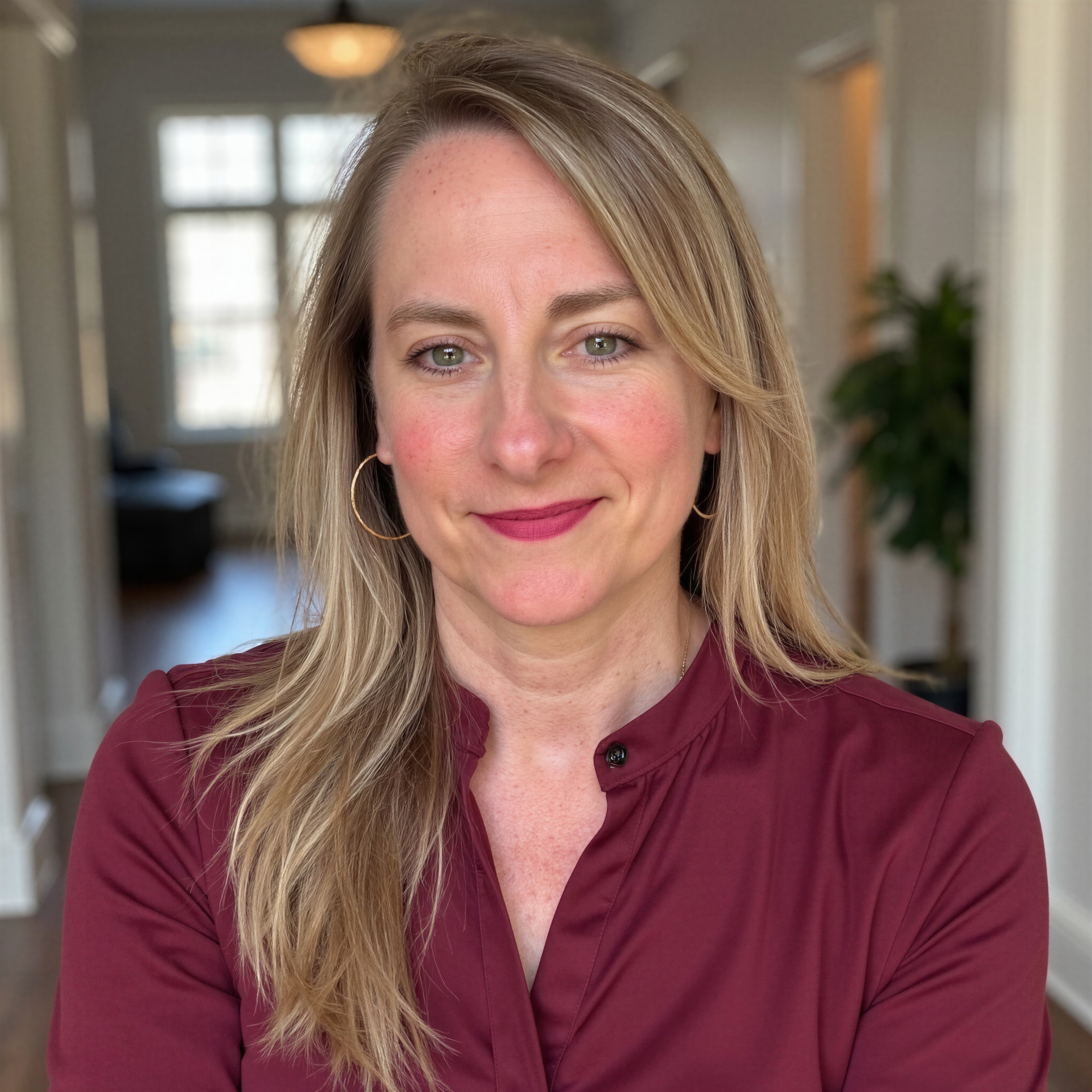
Presenter Bio: Donna D’Hoostelaere, M.Ed., is a Montessori educator, school leader, trainer, and national presenter with more than three decades of experience in education. She holds a Master of Education from St. Catherine University with an emphasis in Montessori education and is an AMI-trained Primary (3–6) guide.

Donna spent more than 15 years in the classroom before becoming the owner and Head of School of Aldea Montessori in Phoenix, Arizona, which she led for 24 years. Her experience encompasses virtually every dimension of Montessori school life, including classroom practice, school leadership, enrollment, parent education, staff development, operations, and organizational sustainability.

A frequent conference presenter and professional-development facilitator, Donna has presented multiple times at American Montessori Society conferences and was a keynote speaker at the 2024 Idaho Montessori Conference. She has presented workshops for First Things First and at Arizona’s annual early childhood conference, as well as dozens of professional-development workshops for schools and educators across the country. She is also a Nurtured Heart Approach Advanced Trainer, a John Rosemond Leadership Institute Parenting Coach, and a NuParent Trainer.

After selling her school in 2025, Donna founded Montessori Thrive, where she now works with Montessori schools across the United States to strengthen leadership, organizational systems, enrollment, operations, and long-term sustainability. Her work combines the perspective of a Montessori classroom educator, longtime school owner, trainer, and advisor to today’s Montessori school leaders.
Target Level(s): Infant/Toddler, Children's House

Description: Transitions are often among the most challenging and dreaded parts of the day, yet they can also become powerful opportunities to build independence, community, and peace. In this session, participants will audit the routines and systems surrounding arrival, the work cycle, lunch, recess, nap, and dismissal. Together, we will examine what we do, why we do it, and how adult language, expectations, and the prepared environment may unintentionally contribute to stress, dependence, or disruption.

Through reflection, small-group discussion, scenario analysis, collaborative problem-solving, and shared examples from classroom practice, participants will identify common transition pain points and develop practical strategies for shifting the tone and structure of these moments. The session is designed for Montessori educators and school leaders at all levels of experience, from newer practitioners to seasoned Montessorians looking to refine established routines and systems.

Learner Outcomes

Participants will:

Identify transition routines and systems that may be contributing to stress, disruption, or unnecessary adult dependence.
Examine how adult language, expectations, and the prepared environment influence children’s experience of transitions.
Develop practical strategies to create transitions that are calmer, more intentional, and more supportive of independence, connection, and community.

Presenter Name: Sarah Fondriest

Presenter Bio: Sarah Fondriest is a Montessori educator, consultant, school leader, and mentor with more than 27 years of experience. She holds a Bachelor’s degree in Psychology, a Master’s degree in Education, and AMI diplomas at the Assistants to Infancy, Primary, and Elementary levels. Sarah taught for many years at the Toddler and Primary levels before founding The Del Ray Montessori School in Virginia, in 2011, where she served as Head of School for 13 years. Sarah also serves as an AMI/USA Primary Consultant, traveling throughout the United States to observe classrooms, support educators and administrators, and work with schools participating in the AMI/USA School Recognition Program. Today, Sarah leads her own consulting practice, supporting public and private Montessori schools through leadership coaching, teacher mentoring, professional development, and organizational support. Her work focuses on strengthening Montessori practice, building thoughtful systems, and fostering independence, connection, equity, and belonging within school communities.
Target Level(s): Infant/Toddler

Description: Establishing a Montessori infant classroom requires more than creating a beautiful prepared environment. From classroom design and licensing requirements to daily procedures, staff preparation, and family communication, each decision must balance Montessori principles with the practical realities of providing safe, responsive care for infants.

This presentation will explore the process of developing and launching a Montessori infant program from the ground up. Drawing from firsthand experience establishing a new infant classroom, the session will examine key considerations in designing the prepared environment, developing policies and procedures, meeting Massachusetts EEC requirements, onboarding and preparing staff, and creating systems that support the individualized rhythms of infants. Participants will also explore how observation and experience after opening can inform ongoing changes to the environment and program.

Designed for Montessori educators and administrators who are establishing, expanding, or refining an infant program, this session will offer practical examples, lessons learned, and resources that participants can adapt to their own communities. Time will also be provided for discussion and questions, allowing participants to share challenges and explore solutions related to their own infant environments.

Presenter 1 Name: Ella Jernegan

Presenter 1 Bio: Ella Jernegan is the Lead Infant Teacher at Vineyard Montessori School, where she helped develop and launch the school’s Infant Program. Throughout the development process, she collaborated with school administrators and connected with other infant programs to explore best practices in classroom design, policies, procedures, and daily operations. Her work has focused on thoughtfully integrating Montessori principles with Massachusetts EEC regulations and developing onboarding materials and systems that support staff in providing safe, consistent, and developmentally appropriate infant care.

Ella holds a B.A. in Psychology from the University of Massachusetts Boston and is MACTE-certified in Infant and Toddler Montessori education (0–3). She is currently completing her M.Ed. in Montessori Education (0–3). In addition to her work in the classroom, Ella is a trained Montessori postpartum doula and provides postpartum doula support to newborns and their families, bringing an additional perspective on infant development, responsive caregiving, and supporting families during the earliest months of life.

Presenter 2 Name: Debbie Jernegan

Presenter 2 Bio: Debbie Jernegan is an experienced educational leader with 29 years in early childhood education and 15 years as Head of School at Vineyard Montessori School. She holds a Master of Science in Management and completed the Tufts University Institute for Nonprofit Practice Leadership Program.

Debbie is deeply committed to diversity, equity, inclusion, belonging, and justice. During her tenure, she has led significant organizational growth, including expanding access to early education, growing the school’s operating budget from $250,000 to $1.9 million, and leading a $2 million capital campaign. She established Equitable Access grants that have provided more than $360,000 in tuition assistance to working families since 2017 and introduced individualized tuition rates to further support affordability.

Having led five strategic planning processes and numerous program expansions, Debbie brings a practical, collaborative approach to leadership, organizational development, and building sustainable, inclusive communities where children, families, and educators can thrive.
Target Level(s): General

Description: Dancing lights everyone up, increases energy and optimism, frees from inhibitions, boosts self-confidence, improves performance overall, opens perspectives, and connects with others. We owe it to our children to bring songs and dances to them until they will be able to travel and discover them for themselves. This workshop will show how to create such programs and what to consider when selecting the music. No previous dance experience necessary, just a good sense for rhythm and understanding of music. A model lesson will be presented:
  • Warm up on selected music (time for the instructor to observe the response to rhythm patterns, and to decide on the level of the dances to follow and on the style of presentation).
  • Short sequence of rhythm exercises (voice, hands, feet), learning how to distinguish the musical measures and phrases, talk about parallels between language and dancing steps.
  • Two distinct dances for each country (aiming for three); highlight the similarities and the differences.
  • Discussions on what extensions can be reached, what other lessons can be learned. Suggestions: Language study, Geography and History, Geometry, Practical life, Music, and Physical Education.
  • Taking questions/comments.
Closing dance.

Learner Outcomes: confidence - "if you can walk you can dance', how to engage students at all levels, how to include other areas of the Montessori Classroom.

Presenter Name: Dorina Nimigean

Presenter Bio: A Primary Montessori Teacher for over twenty years in the US, Dorina also holds degrees in Earth Science and worked as a research geologist for ten years in Romania, with doctoral studies in Paleontology in Germany. She has been folk-dance instructor for over twenty years, orienteering competitor for over forty years in North America and Europe, and Dyslexia Therapist for past eight years.

Dorina possesses a versatile skill set to cater to diverse learning styles backed by a wealth of knowledge and expertise. Her multifaceted approach to education extends beyond traditional subjects as she incorporates her love for nature, books, music, and dance into captivating lessons, activities, experiments, and games for her students. Dorina's teaching philosophy resonates with Maria Montessori's quote: “The child should love everything that he learns, for his mental and emotional growths are linked.”
Target Level(s): General

Description: Montessori education is grounded in respect for the child’s dignity, independence, and place within community. Yet amid the complexity of modern school life, adults in Montessori environments, teachers, assistants, and leaders, can at times feel unseen, overextended, and disconnected from their purpose.

This session introduces the concept of mattering: the experience of feeling seen, valued, and needed, as a framework for strengthening Montessori school culture. Grounded in Montessori philosophy, social-emotional learning, and practical leadership experience, participants will explore how intentionally cultivating mattering can improve belonging, staff sustainability, collaboration, and retention.

Through reflection and practical tools, attendees will leave with actionable strategies to foster healthier, more connected Montessori communities where both children and adults can thrive.

Presenter Name: Debra Repoza-Hogan

Presenter Bio: Debra Hogan is the Founder and Head of School of Southern NH Montessori Academy, an AMS-affiliated Montessori school serving children from infancy through elementary. With over 15 years of leadership experience in Montessori education, she is deeply committed to cultivating school communities grounded in dignity, belonging, and social-emotional well-being. Debra completed her master’s degree in Social-Emotional Learning and is passionate about supporting both children and the adults who guide them through meaningful, sustainable educational practices.
Target Level(s): Children's House

Description: Growing up, my grandmothers lived with me and passed on their love of embroidery. It became my quiet, calming space—just me, a box of colorful floss, and a needle.

Little did I know that decades later, I would have the opportunity to recreate that same sense of calm and wonder in my Montessori classroom for children ages 3–6.

Year after year, needlework has inspired even the most reluctant learners to find purpose in their work—and eventually, a deeper sense of belonging within the classroom community.

When introduced with care and intention, this simple skill continues to amaze, revealing what young children are truly capable of.

Discover how sewing can enrich your classroom and transform it into a place of joy, focus, and meaningful work.

Presenter Name: Sandhya Jai

Presenter Bio: I am an AMS certified early childhood educator with an M.Ed in Early Education(emphasis in Montessori), an MBA in Human Resources from India . I am deeply passionate about the Montessori philosophy and believe it is a transformative approach that nurtures independence, curiosity, and growth in both children and adults.
Target Level(s): General

Description: How do we help our classrooms to become havens of quiet and calm in our hectic world? In this session, we will look at Maria Montessori’s thoughts on silence, as well as the psychological and emotional benefits of periods of stillness and silence. We will also practice some ways to cultivate periods of silence and stillness in our classroom communities and to use modeling and non verbal communication with our students and to use “economy of words and movements” in our lessons.

Presenter Name: Christine Carr McClelland, M.A.
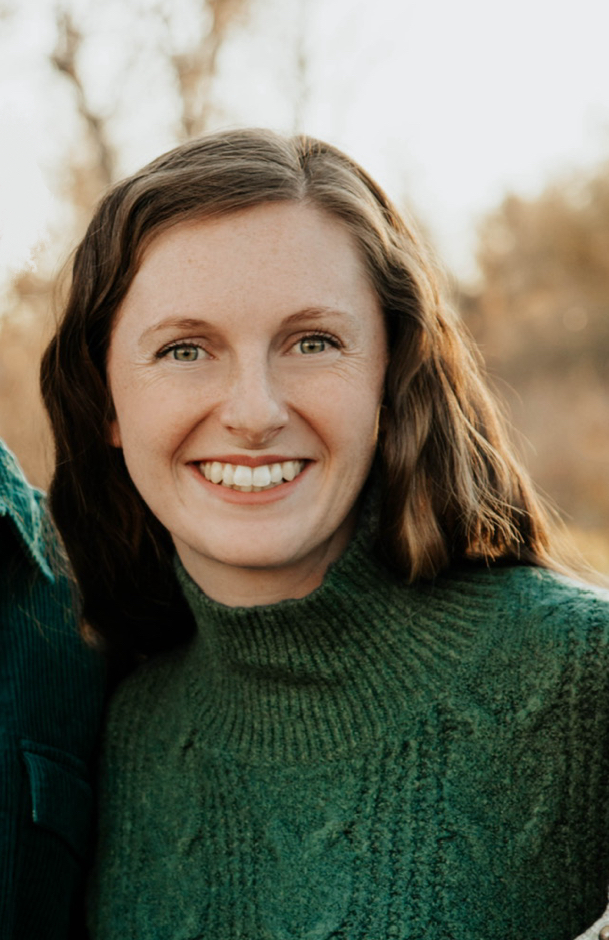
Presenter Bio: Christine Carr McClelland, M.A., is a native of Milton, MA and a lead primary teacher at Wheaton Montessori School in Wheaton. IL, which is the only school in Illinois to have earned full recognition from the Association Montessori International (AMI) serving early childhood through freshman year of high school. She worked in traditional school as a teacher for 18 years before becoming an AMI certified primary teacher under Dr. Annette Haines and Lynne Lawrence at the Montessori Training Center of St. Louis. in 2016. She holds a Master's Degree from Aurora University and a certificate in Diverse Learners in The Children's House from the Maria Montessori Institute in London. She has presented at the AIMS conference in Illinois, the Hope Montessori Educational Institute conference in Missouri and the Wisconsin Monte
Target Level(s): General

Description: Behavior is not something to control, but something to understand. In this session, educators will explore how observation and awareness transform the way we respond to children. By reframing behavior as communication, participants will learn to move from reaction to intentional response. Grounded in authentic Montessori principles, this workshop offers practical strategies to support normalization, foster independence, and create peaceful, purposeful classroom environments.

Presenter Name: Kara Mulqueen

Presenter Bio: Kara Mulqueen is an Early Childhood Level Coordinator at the Institute of Montessori Training in Livingston, MT. She has supported Montessori teacher training internationally, including work in Vietnam and Honduras. Passionate about authentic practice, she mentors adult learners and guides the development of purposeful, child-centered classrooms. Kara is a dynamic conference presenter known for energizing educators and inspiring meaningful, lasting transformation.
Target Level(s): Elementary

Description: As children navigate an increasingly digital world, play remains their most essential work. Research shows that imaginative, unstructured play builds problem-solving skills, emotional regulation, and social connection, qualities no app can replace.

This workshop will help teachers (and parents) consider how to balance screen exposure with meaningful play, explore strategies for encouraging creativity (even through boredom), and practice ways to respond to peer pressure around phones and devices.

Presenter 1 Name: Kayla Stiffler

Presenter 1 Bio: Kayla Stiffler is the Lower Elementary Division Leader at Wellan Montessori School in Newton, MA. She is also the Child Development instructor for the Wellan Institute. In addition to holding her Elementary I credential, she also holds a Master of Education degree in Literacy and Language. Through the Wellan Institute and at previous MSM conferences, she has presented on indoor recess activities, helping parents encourage organization, and gross motor skills.

Presenter 2 Name: Micaela Pierce

Presenter 2 Bio: Micaela is a Lower Elementary Teacher at Wellan Montessori School. She completed her Elementary I credential through METTC. In addition, she is a coach for multiple sports in the community and is involved in the school's affinity groups. She recently presented at a parenting workshop with another teacher.
Target Level(s): Adolescents

Description: A school garden has many benefits, including supporting student-run businesses. In this workshop, adolescent guide Joe Karr will share a year-round microeconomy curriculum at The Cornerstone School in which students make all decisions, track profits, engage with the community, and problem solve on a daily basis, while learning about nutrition, local agriculture, and the value of meaningful work. We’ll explore garden product examples and create some to bring home. We will end a discussion of some common challenges and best practices to strengthen the program.

Presenter 1 Name: Joseph Karr

Presenter 1 Bio: Joe brings his passions for gardening, environmental education, and project-based learning as the Farm and Micro-economies guide at Cornerstone School. Joe has many years of experience teaching science to middle and lower school students and making learning hands-on, relevant, and engaging. His most recent position was the Education Manager with the Trustees of Reservations. There he managed all education programs, staff, and budgets at a 1,000-acre farm. He really enjoys sharing best practices with others and has been leading professional development for New Hampshire Montessori Association, The Trustees, The Wade Institute for Science Education, and the Farm-Based Education Network. He has a masters in Education in Integrative Learning, is a Master Urban Gardener, and completed his Montessori Secondary Fundamentals course.


CALL FOR PRESENTERS

Thank you to everyone who submitted a proposal! Our conference is made possible by educators and Montessori professionals who are willing to share their knowledge, experiences, ideas, and inspiration with our community. Our presenters are at the heart of the MSM Annual Conference, helping to create a day of meaningful professional learning, connection, and collaboration.

Interested in presenting in the future? We would love to hear from you! The Call for Presenters for our 2028 Annual Conference will open in February 2027. Whether you have an innovative classroom practice, an area of professional expertise, a new perspective, or lessons learned through your Montessori journey, we encourage you to share your voice with the MSM community.

Thank you for helping us learn from one another and strengthen Montessori education together.


ANNUAL CONFERENCE APP

MSM has created a mobile guide for the conference on Guidebook! Get the guide to access the most up-to-date information about our event, including schedules, maps, and much more.

A link to the mobile guide will be sent shortly after your registration is complete.

We strongly encourage attendees to download the app in advance of arriving to the conference so that you will have the most up-to-date information about the event and be able to access presenter handouts. There will be no registrant folders this year as we are using this app as a green alternative.


CONFERENCE LOCATION - DEAN COLLEGE

Centrally located and easily accessible, Dean College's light-filled, modern, well-equipped facilities have helped provide a comfortable and nurturing learning environment for teachers....especially at lunch. The conference will be held in their campus center at 109 West Central Street Franklin, MA 02038 - if you are using a GPS please use this address as it will bring you directly to the conference building. Any other address used will take your elsewhere on campus. Click here for a map of the Dean College campus.


EVENT PARKING

There is ample parking at Dean College. The Main Entrance lot (#25 on the map) is directly outside the Campus Center building where the conference is held. Additional parking is across the street at the Adams Lot (#31). We ask that you not park in any lots not owned by Dean College Out of respect to local residents and buildings.
Click here for a map of the Dean College campus.


HOTEL INFORMATION


If you are coming from a distance there are several options right in Franklin for you to stay. Here are the hotels closest to Dean College

Residence Inn by Marriott Boston Franklin - Reservations
Address: 4 Forge Pkwy, Franklin, MA 02038
Phone:(508) 541-8188

Hampton Inn Franklin/Milford - Reservations
Address: 735 Union Street, Franklin, MA 02038
Phone:(508) 520-2999

CONFERENCE REFUND/CANCELLATION POLICY

  • Substitution Policy: If a registrant is unable to attend an event for any reason they may substitute, by arrangement with MSM, someone else from the same institute/organization.

  • No Show Policy: Refunds will not be granted for no-shows (registrants who do not attend the conference with no prior notice of cancellation).

  • Weather Related Policy: MSM makes arrangements for a snow date each year for the Annual Conference this date is posted to the MSM website at the time of registration. For this reason, MSM does not give refunds to registrants in the event that the snow date needs to be used.

    In the event of impending, inclement weather, MSM will make the determination of whether the conference will continue, or be postponed, by 6PM the evening before. A message informing registrants will be posted to the MSM webpage and Facebook page. Refunds cannot be given to registrants who decide not to attend the day of the conference for any reason.

  • Refunds in Case of Emergency: If a registrant is unable to attend the Conference based on serious illness or death, a partial refund (amount paid minus a $50 processing charge) may be granted. Requests must be submitted in writing prior to the start of the conference.

Refunds will be made to the same credit card that was used to register for the conference.